


Running is one of the most common forms of exercise associated with overall fitness. However, it is not without risks, as many runners experience knee and joint pain at some point in their training. Understanding the causes behind these issues and implementing preventive measures can help individuals continue running safely and avoid potential injuries.
The dangers of overuse
One of the primary reasons running can lead to knee and joint pain is overuse. Repetitive motions and high-impact forces can strain the joints, causing discomfort and inflammation. The constant pounding on hard surfaces without adequate recovery can lead to various conditions, including patellofemoral pain syndrome, runner’s knee, and tendonitis.
Prevention Tips:
- Follow a program that allows enough recovery time between training sessions. Your body will need more time to recover when you start a program, increase your cadence, add more hills or run further distances.
- Try mobility training for the ankles, knees, hips, and back. This can take the kinks out of the body for a quick re-alignment before pressing go on your GPS tracker app.
- Bring some stability exercises into the pre-run routine. Hip and core muscle delay can interfere with connecting the upper body to the lower body. Sitting or relative inactivity will tone down core muscles so warm them up before the run.
- Practice recovery exercises after running. This will promote circulation and muscle relaxation back to a more normal state of tension. It’s as easy as lying down on your back with your legs up in the air. Or for stubborn muscle tension, I recommend trying self-myofascial release techniques for the feet, calves, thighs, and hips.
The importance of good form
Running with poor technique can place unnecessary stress, leading to knee and joint pain and injury. Issues like overstriding, landing heavily on the heels, or bounding can increase the impact and cause joint misalignment.
Prevention Tips:
- Work with a running coach or have your gait analyzed. Understand where you are landing on your feet and for what reason. Sprinting and running uphill requires the foot to land towards the ball of the foot for best leverage, leaning the shoulders and head forward. Longer distance running will have a shorter stride and landing more to the mid-foot.
- In any case, try to move like there is an imaginary low ceiling so you don’t waste energy bouncing up and down with vertical oscillations.
- Use your core, not just your legs. The core helps the arms and legs create a crisscrossed coil of energy that gets wound up and then released with each step. This alternating torque created around the spine and pelvis is necessary to catch and pull the arms and legs into reciprocal actions. Point yourself in the right direction, wind up, and release!
Footwear
It can be debated whether or not running barefoot is for everyone, but you can certainly decide for yourself. Going barefoot means you don’t have to concern yourself with poor footwear or good footwear, you don’t have any. When you do have bad footwear, injuries to the knee are possible. Especially, when the support isn’t right from the start or wears down.
Prevention Tips:
- Choose proper running shoes that provide adequate cushioning, stability, and support for your specific foot type and running style. Consider consulting a professional at a specialty running store for expert advice.
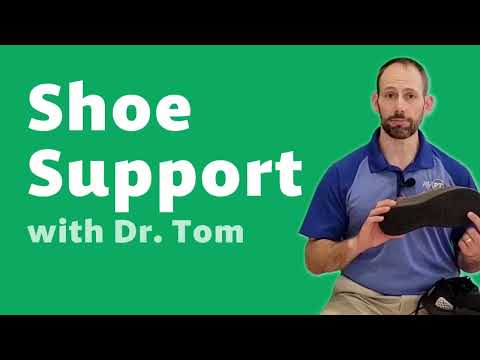
- Inspect your sneakers. Turn them over and compared left to right side at the heel, mid-foot, and under the toes. Check out the back of the heel and all along the sides of the shoe. If you see uneven wear on the bottom or stitches opening, keep an eye on them for further damage. If there are holes in the soles, separation, or significant loss of tread, it is time to replace.

Muscle weakness
Weak or imbalanced muscles can disrupt the proper alignment and stability of joints, leading to knee and joint pain and increased injury risk. Neglected muscle groups, such as the quadriceps, hamstrings, glutes, and core muscles, can contribute to joint instability. Unfortunately, if all you do is run then you could have an imbalance of muscle mass.
Prevention Tips:
- Start a muscle strengthening program to cross-train. Incorporate exercises that target the major muscle groups involved in running, such as legs and core, lunges, and planks. Strengthening these areas helps provide better joint support and stability.
- Perform warm-up exercises before running to loosen muscles and improve flexibility. After running, engage in stretching to maintain flexibility and reduce muscle tightness.
Recovery is key
Neglecting proper recovery and rest periods can exacerbate knee and joint pain in runners. Continuous stress without adequate time for repair and healing can lead to chronic inflammation and overuse injuries.
Prevention Tips:
- Schedule regular rest days between running sessions to allow your body to recover and repair. Consider alternate forms of exercise or active recovery on these days.
- Utilize recovery techniques like foam rolling, massage, and ice or heat therapy to alleviate muscle soreness and reduce inflammation.
While running can contribute to knee and joint pain, implementing preventive measures can significantly reduce the risk of injuries and discomfort. By gradually increasing intensity, maintaining proper running form, addressing muscle weakness, and prioritizing recovery, runners can enjoy the physical and mental benefits of running while minimizing the potential for knee and joint pain. Remember, listening to your body and seeking medical advice when necessary is crucial for long-term injury prevention and overall well-being.
My PT offers strength and conditioning sessions that runners can take advantage of. Our techniques and training can help prevent injury, improve performance, and keep you running.